Static vs Video Ads on Meta: When to Use Each Format
Compare static vs video ads on Meta. Learn when each format wins based on CTR, CPA, ROAS data and how to allocate budget between formats effectively.
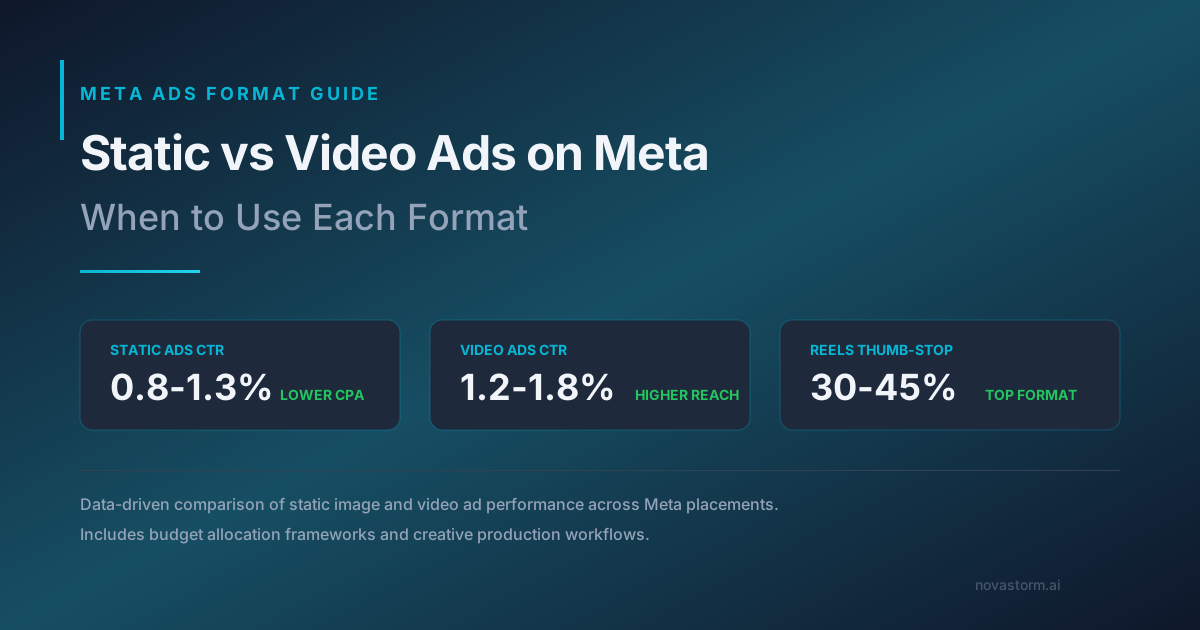
Static vs Video Ads on Meta: What the Data Really Shows
The debate over static vs video ads on Meta has been raging since the platform first introduced video placements. Marketers often pick sides based on gut feeling rather than data. The truth is more nuanced: both formats have clear strengths depending on your objective, audience, and funnel stage.
In this guide, we break down performance benchmarks across CTR, CPA, and ROAS to help you make smarter format decisions. No blanket advice, just actionable frameworks backed by real campaign data.
How CTR CPA and ROAS Compare Between Static and Video
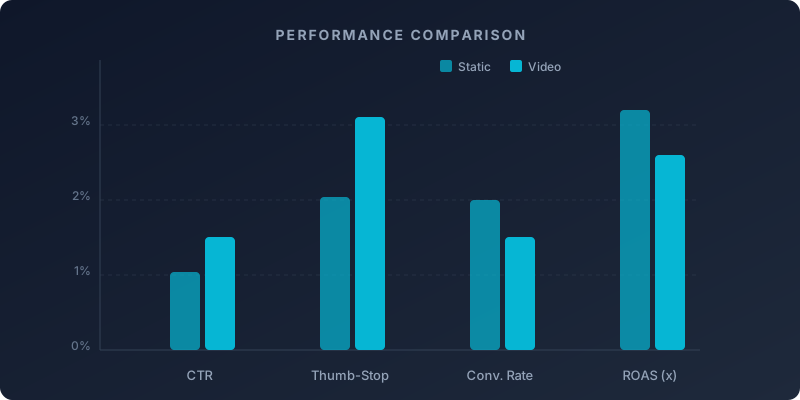
Across thousands of ad accounts, video ads tend to generate higher click-through rates at the top of the funnel. The movement and sound capture attention in crowded feeds. Average CTR for video sits around 1.2-1.8%, while static images hover between 0.8-1.3%.
However, CTR alone is misleading. When you look at cost per acquisition, static ads often win. They attract more qualified clicks from users who already understand the offer from a single glance. Video clicks can include curiosity-driven taps that never convert.
| Metric | Static Ads | Video Ads | Winner |
|---|---|---|---|
| CTR (avg) | 0.8-1.3% | 1.2-1.8% | Video |
| CPA (avg) | $18-25 | $22-35 | Static |
| ROAS (avg) | 3.2x | 2.6x | Static |
| CPM (avg) | $8-12 | $10-18 | Static |
| Thumb-Stop Rate | 15-25% | 30-45% | Video |
| View-Through Conv. | Low | High | Video |
ROAS tends to favor static ads in direct response campaigns. Video excels when measured on assisted conversions and brand lift. The format you choose should align with how you measure success.
Why Video Ads Dominate Awareness Campaigns
Video is the undisputed king of awareness. Meta's algorithm rewards video content with cheaper reach because it keeps users on the platform longer. A well-crafted 15-second video can communicate brand personality, demonstrate products, and build emotional connections in ways a single image cannot.
The thumb-stop rate for video averages 30-45%, nearly double that of static ads. This means more people pause scrolling to engage with your content. For top-of-funnel campaigns where the goal is exposure and recall, this metric matters enormously.
Use video for prospecting campaigns targeting cold audiences. The extra engagement signals help Meta's algorithm identify your ideal customer profile faster.
Reels placement specifically requires vertical video in 9:16 format. If you are not creating for Reels, you are missing Meta's fastest-growing ad surface. Reels ads deliver CPMs 20-40% lower than feed video in many verticals.
When Static Ads Beat Video for Conversions
Static ads shine in the middle and bottom of the funnel. When users already know your brand, a clean image with a strong offer and clear CTA can outperform video by a wide margin. There is no buffering, no waiting for the message to unfold. The value proposition is immediate.
Retargeting campaigns almost always perform better with static creatives. Users who visited your site or engaged with previous content do not need another 30-second story. They need a reminder with a compelling reason to act now.
- Retargeting campaigns with specific product images
- Sale or promotion announcements with clear pricing
- Testimonial graphics with social proof
- Product comparison visuals
- Limited-time offers where urgency is the hook
Static ads also have a massive production advantage. You can create and iterate on static creatives in hours, not days. This speed matters when you need to refresh creatives weekly to combat ad fatigue.
Cost of Production: Static vs Video Creative Workflow
Stop wasting ad budget
NovaStorm AI cuts Meta Ads CPA by 40% on average. Start free.
Production cost is often the deciding factor for smaller teams. A single static ad can be designed in Canva or Figma in under an hour. A quality video ad requires scripting, filming, editing, and potentially motion graphics. The time and budget gap is significant.
| Factor | Static | Video |
|---|---|---|
| Time to Produce | 1-3 hours | 1-5 days |
| Cost per Creative | $50-200 | $500-5,000 |
| Iterations per Week | 10-20 | 2-5 |
| Tools Required | Design software | Camera, editing suite, audio |
| Skill Level Needed | Moderate | High |
This does not mean video is not worth the investment. It means you need to be strategic about when to invest in video production. If you have limited resources, use video for your highest-impact awareness campaigns and fill the rest with static.
Reels Placement Requirements and Thumb-Stop Rate
Meta Reels has become a mandatory placement for advertisers who want maximum reach. The requirements are straightforward but non-negotiable: 9:16 aspect ratio, under 60 seconds, and content that looks native to the platform.
Thumb-stop rate measures the percentage of users who stop scrolling when your ad appears. For Reels, the first 0.5 seconds determine everything. Ads with strong visual hooks in the opening frame see thumb-stop rates above 40%. Those that start slowly lose the audience before the message even begins.
The best-performing Reels ads do not look like ads. They mimic organic content with raw editing, direct-to-camera speech, and trending audio. Polish often hurts performance in this placement.
How to Allocate Budget Between Static and Video Formats
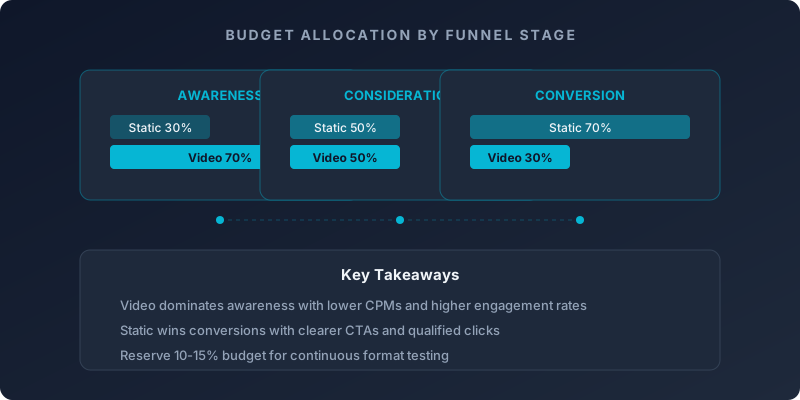
Budget allocation depends on your funnel structure and campaign objectives. A balanced approach works for most advertisers. Start with a 60/40 split favoring whichever format has historically performed better in your account, then adjust based on weekly data.
- Allocate 30-40% of awareness budget to video (Reels and in-stream)
- Use static for 60-70% of conversion campaigns
- Reserve 10-15% of total budget for format testing
- Review performance weekly and shift budget toward winners
- Maintain at least 3 active creatives per format to avoid fatigue
Do not put all your budget into one format. Even if video currently outperforms, static provides a safety net. Algorithm changes, creative fatigue, and seasonal shifts can flip performance overnight.
Building a Creative Production Workflow for Both Formats
The most successful media buyers run parallel production pipelines for static and video. They batch-create content weekly, test variations systematically, and retire underperformers quickly.
For static, establish templates in your design tool. Create 5-10 variations of each winning concept by changing colors, copy, and image crops. This takes minutes when templates are ready.
For video, build a library of modular clips. Film product shots, testimonials, and lifestyle footage in bulk. Then remix these clips into new ads without reshooting. A single filming day can yield 20-30 unique video ads when edited strategically.
Create a shared spreadsheet tracking every creative variant, its performance metrics, and retirement date. This creative library becomes your most valuable asset over time.
The bottom line is simple. Static and video are not competitors. They are complementary tools in your advertising toolkit. Use video to capture attention and build awareness. Use static to convert that attention into revenue. Test both continuously, measure what matters, and follow the data.
Novastorm AI automates Meta Ads routine — from monitoring to optimization. Learn more at novastorm.ai
Disclaimer: This article was generated with the assistance of AI and reviewed by the NovaStorm AI team. While we strive for accuracy, we recommend verifying specific data points and consulting official sources (linked where available) for critical business decisions.
Ready to automate your Meta Ads?
NovaStorm AI takes full responsibility for your campaigns — from monitoring to optimization.
Get Started FreeRelated Articles

Carousel Ads: How to Tell a Story in 10 Cards
Master carousel ads on Meta with proven storytelling techniques. Learn card sequencing, swipe rate benchmarks, and structures that drive engagement.
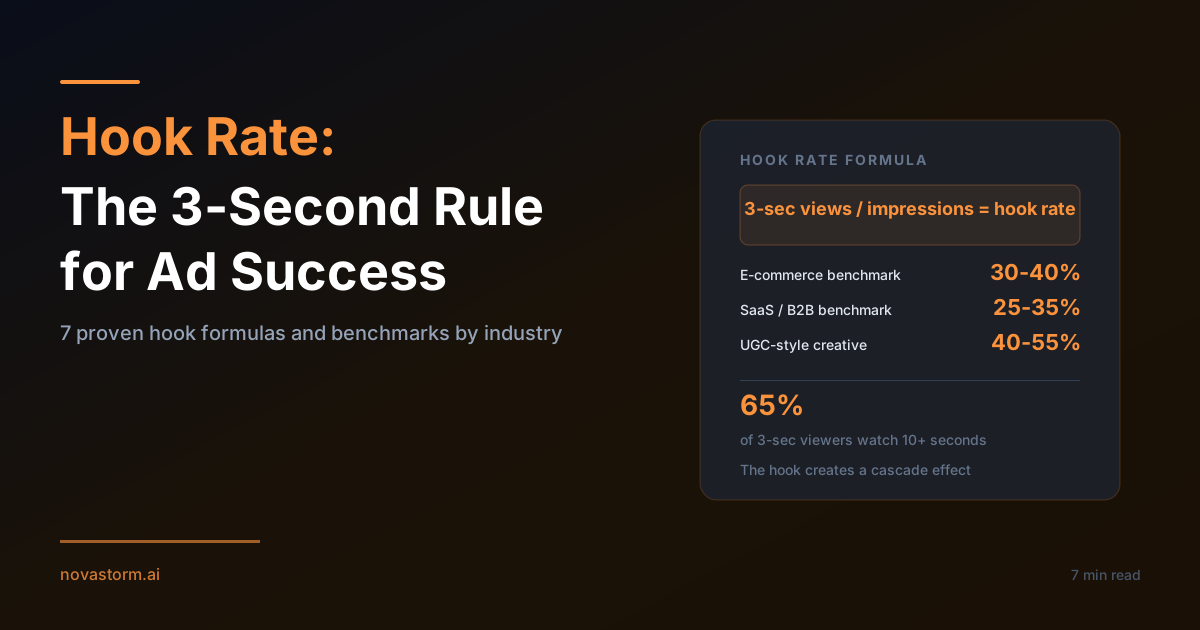
Hook Rate: The 3-Second Rule That Determines Ad Success
Master hook rate to win in Meta Ads. Learn why the first 3 seconds determine ad success, benchmark rates by industry, and 7 hook formulas that drive results.

Negative Signals: Teaching the Algorithm What to Avoid
Understand how negative signals affect your Meta Ads performance. Learn how hiding ads, negative reactions, and poor quality scores impact delivery and what to do about it.