Building a Meta Ads Portfolio: Showcasing Results Without NDAs
Learn how to build a compelling Meta Ads portfolio that showcases your results without violating NDAs. Includes anonymization techniques, case study frameworks, and templates.
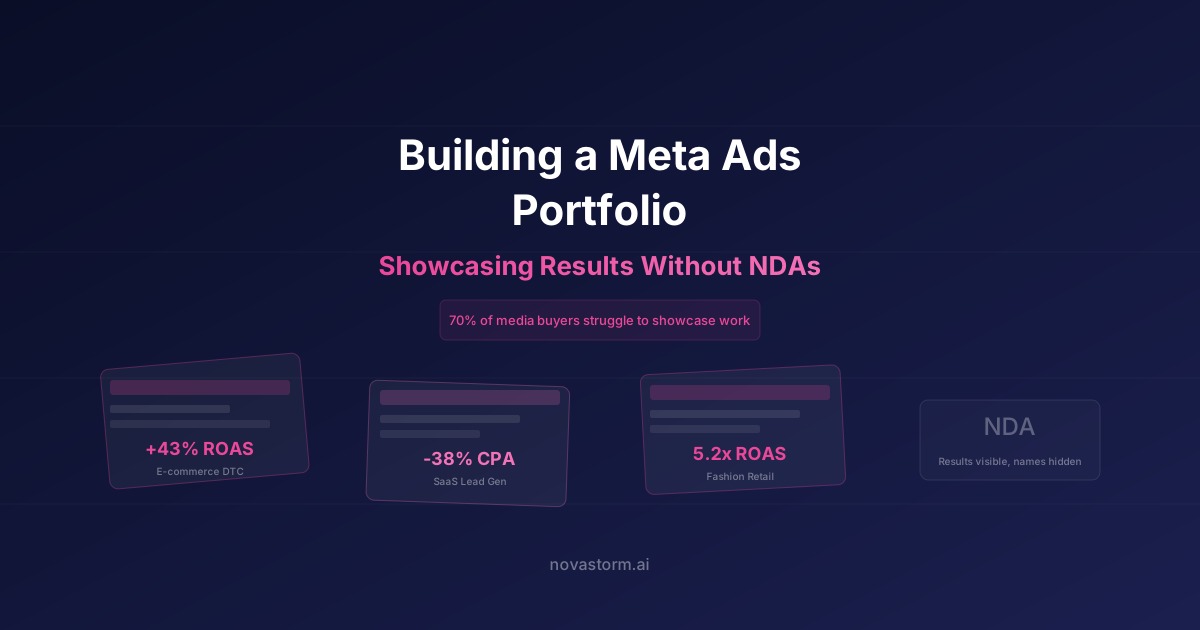
A strong Meta Ads portfolio is the most powerful sales tool a media buyer or agency can have. Yet 70% of media buyers struggle to showcase their work because clients demand NDAs, data is confidential, and creative assets are proprietary. The result: talented buyers with zero proof of their expertise.
This guide shows you how to build a compelling Meta Ads portfolio that demonstrates your skills, wins trust, and closes deals without violating a single NDA or confidentiality agreement.
Why Your Meta Ads Portfolio Matters More Than a Resume
Clients hiring media buyers care about one thing: results. A resume tells them where you worked. A portfolio tells them what you achieved. In a market where 85% of agencies claim they are 'data-driven,' tangible proof separates you from everyone else.
The best portfolios answer three questions: Can this person drive results in my industry? Do they understand strategy, not just execution? Can they communicate their thinking clearly? If your portfolio answers yes to all three, you will close more deals at higher rates.
The Anonymized Case Study Framework
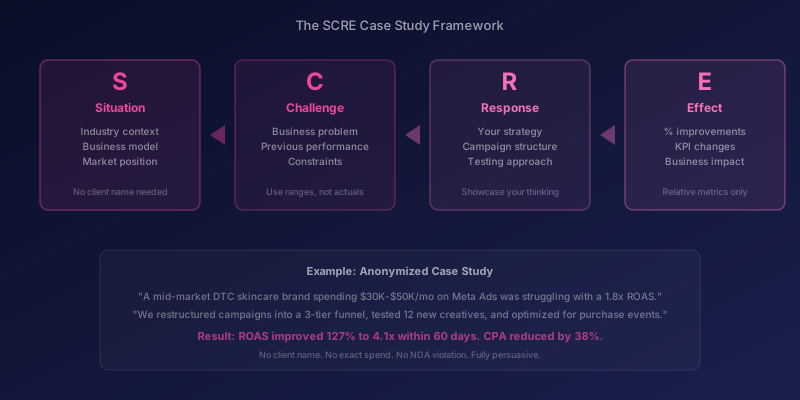
The most effective portfolio piece is the anonymized case study. You share the strategy, execution, and results without naming the client. When done properly, this format is more persuasive than a testimonial because it demonstrates your thinking process.
| Case Study Section | What to Include | What to Anonymize |
|---|---|---|
| Industry Context | Vertical, business model, market position | Company name, specific location, revenue |
| Challenge | Business problem, previous performance, constraints | Internal details, budget amounts (use ranges) |
| Strategy | Your approach, audience strategy, creative direction | Proprietary data, internal tools |
| Execution | Campaign structure, testing methodology, timeline | Exact spend (use % changes instead) |
| Results | KPI improvements, ROAS, CPA changes | Absolute numbers (use % improvements) |
Use relative metrics instead of absolute numbers. Saying 'reduced CPA by 43%' is more impressive and NDA-safe than saying 'reduced CPA from $67 to $38 for Client XYZ.'
Six Portfolio Pieces You Can Create Without Client Permission
Not all portfolio pieces require client data. Here are six assets you can create using your own expertise and publicly available information.
- Spec Audits: Audit a public brand's Meta Ads presence (you can see their ads in Meta Ad Library) and document what you would improve. This shows strategic thinking without using client data.
- Personal Test Campaigns: Run a small campaign ($500-$1,000) promoting your own services or a passion project. Document everything.
- Framework Documents: Create visual guides showing your campaign structure methodology, testing frameworks, or optimization decision trees.
- Industry Benchmark Reports: Compile publicly available benchmark data for a specific vertical and add your expert commentary.
- Before/After Anonymized Screenshots: With client permission, show Ads Manager screenshots with all identifying information redacted.
- Video Walkthroughs: Record yourself analyzing a hypothetical campaign scenario, explaining your decision-making process in real time.
Building a Portfolio Website That Converts
Stop wasting ad budget
NovaStorm AI cuts Meta Ads CPA by 40% on average. Start free.
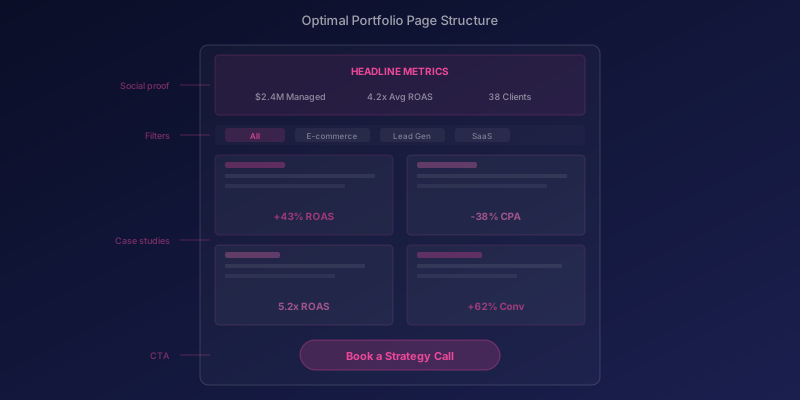
Your portfolio needs a home. A dedicated portfolio page on your website or a Notion-based portfolio can both work effectively. The key is structure: make it easy for prospects to find relevant case studies quickly.
Organize case studies by industry, budget range, or objective (e-commerce, lead gen, app install). Include a filterable grid so prospects can self-select the most relevant examples. Each case study should be scannable in 60 seconds but detailed enough for a 5-minute deep read.
- Hero section with 3 headline metrics: total ad spend managed, average ROAS, number of clients served
- Filterable case study grid organized by industry and objective
- Each case study: 500-word SCRE format with 2-3 key metrics highlighted
- Testimonials interspersed between case studies (with permission)
- Clear CTA at the bottom: book a strategy call or request a proposal
Getting Client Permission to Share Results
Many clients will grant portfolio permission if you ask correctly. The key is timing and framing. Ask after delivering strong results, not during onboarding. Frame it as mutual benefit: their brand gets featured as a success story, and you get a portfolio piece.
Include a portfolio clause in your standard contract. Even a simple statement like 'Agency may reference anonymized performance data in marketing materials unless Client opts out in writing' gives you a default permission. Most clients never opt out.
| Permission Level | What You Can Share | How to Ask |
|---|---|---|
| Full permission | Brand name, metrics, creative, testimonial | Written case study for approval |
| Partial permission | Brand name and testimonial, no specific metrics | Short email request after strong month |
| Logo only | Company logo on client list | Include in contract standard terms |
| Anonymized only | Industry, metrics, strategy (no name) | Default — no permission needed |
Maintaining and Updating Your Portfolio
A portfolio is not a one-time project. Update it quarterly with fresh case studies and retire outdated ones. A case study from three years ago with outdated metrics does more harm than good. Prospects want to see recent results that reflect current platform dynamics.
Set a recurring calendar reminder every quarter to review your portfolio. Add one new case study, update headline metrics, and remove anything older than 18 months. This discipline ensures your portfolio always reflects your current capability level.
Create a 'results journal' where you document wins weekly. Spending 5 minutes every Friday logging metrics and insights gives you all the raw material you need for quarterly portfolio updates.
Novastorm AI automates Meta Ads routine — from monitoring to optimization. Learn more at novastorm.ai
Disclaimer: This article was generated with the assistance of AI and reviewed by the NovaStorm AI team. While we strive for accuracy, we recommend verifying specific data points and consulting official sources (linked where available) for critical business decisions.
Ready to automate your Meta Ads?
NovaStorm AI takes full responsibility for your campaigns — from monitoring to optimization.
Get Started FreeRelated Articles
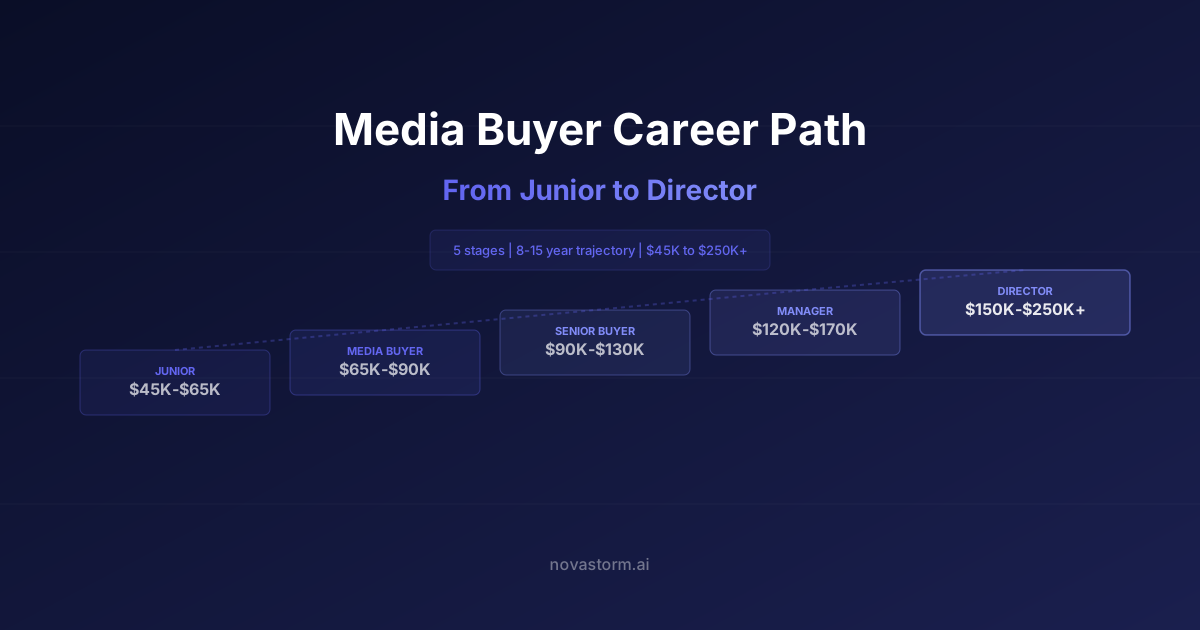
Media Buyer Career Path: From Junior to Director
Map your media buyer career path from junior to director level. Includes salary benchmarks, skills required at each stage, and timelines for career advancement.
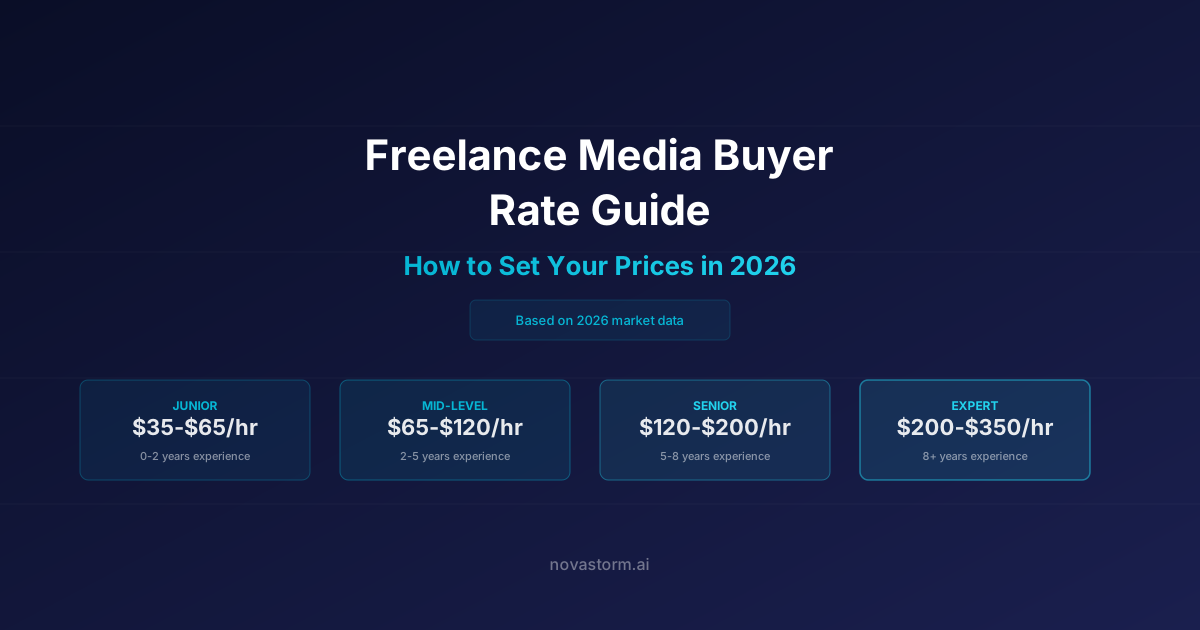
Freelance Media Buyer Rate Guide: How to Set Your Prices
Complete freelance media buyer rate guide with hourly, project, and retainer pricing benchmarks. Set competitive rates based on experience, niche, and deliverables.
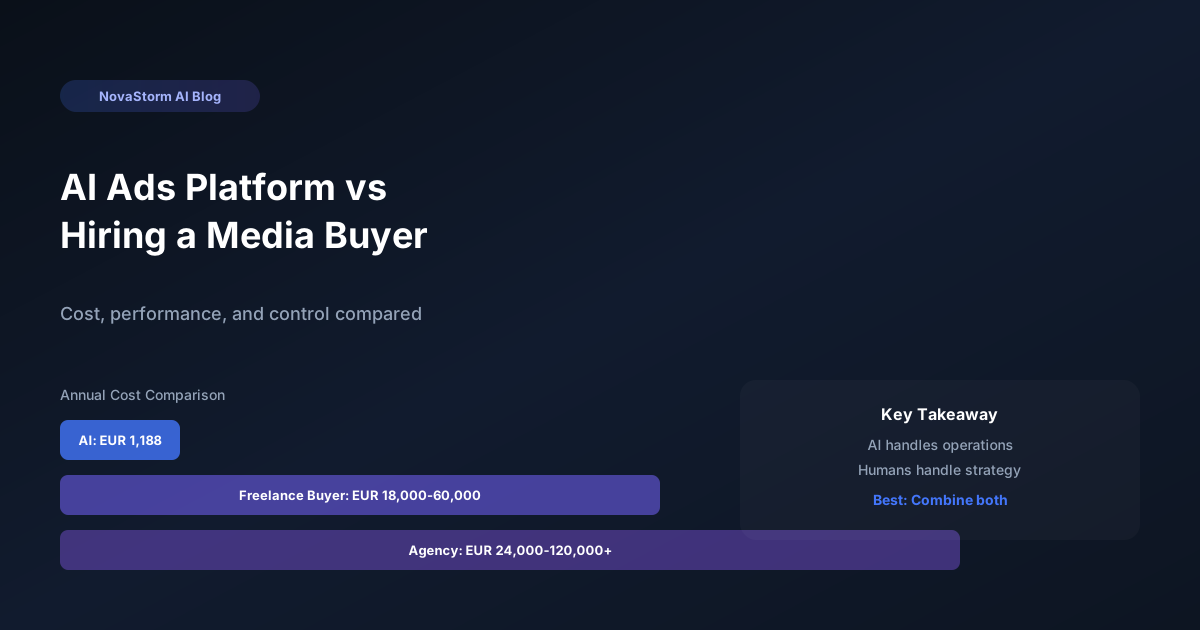
AI Ads Platform vs Hiring a Media Buyer: Cost, Performance, and Control Compared
Should you hire a media buyer or use an AI platform for Meta Ads? Comparing costs, performance, control, and scalability to help you decide.